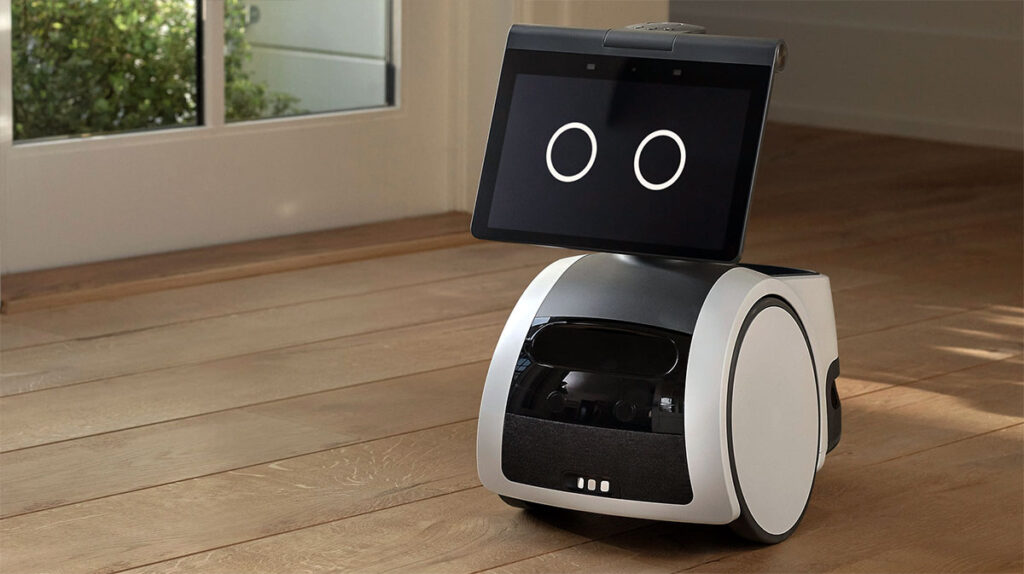
By 2026, smart home devices will actively collect and analyze data on occupants’ habits, enabling them to predict their behavior, conserve resources, and optimize home comfort. According to Statista analysts, by 2025, more than 40% of homes in developed countries will be equipped with at least one device equipped with artificial intelligence capable of predicting user actions.
Behavior prediction has become a key area of smart home development. Today, it’s not just about turning on the light when entering a room or raising the temperature in the morning. Modern systems analyze occupants’ behavior patterns, preferences, and even biorhythms. Based on this data, algorithms create scenarios, optimize energy consumption, and generate personalized recommendations.

How Smart Home Predicts User Actions
Smart homes use a wide array of data sources, including motion sensors, thermostats, smart plugs, cameras (with privacy protection), and voice assistants. Using these sensors, algorithms collect information about:
- Residents’ wake-up and bedtime times
- Frequency of appliance activation
- Temperature and lighting preferences
- Use of multimedia and voice commands
- Movement patterns within the apartment or house
This data is fed to neural network algorithms that look for repeating patterns. For example, the system might notice that a family typically turns on the coffee machine five minutes after waking up, or that the kitchen lights turn on more frequently in the evening while watching TV. Based on these patterns, the system automatically generates automation scenarios.
According to research by McKinsey & Company, smart homes that use AI to predict behavior can save up to 20% on energy and reduce heating and lighting costs by 15-25%. In large residential complexes with integrated management systems, efficiency reaches 30%, making them attractive not only to users but also to developers and utilities.
Connections with User Behavior Prediction Industries
Predicting human behavior in the Smart Home is closely linked to other industries where anticipating preferences and behavior patterns is crucial. Sports betting sites are one such area. Modern online platforms use similar algorithms: they collect user data and analyze betting habits, sports preferences, and activity times. Based on this data, they generate personalized offers, display customized bonuses, and adjust the interface to player habits.
Compared to the Smart Home, parallels can be identified: in both cases, the algorithm monitors actions, builds behavioral models, and suggests optimal solutions. In the Smart Home, this means increased comfort and energy savings; in betting platforms, it means increased engagement and retention.
Case study: a major European betting operator integrated a recommendation system that suggests events users are most likely to bet on. Analysis showed an 18% increase in engagement in the first six months. Likewise, a smart home can predict when to turn on the lights, raise the temperature, or turn on the coffee machine, so that the user barely notices the automation.
Application Examples and Real-World Scenarios
Personalized Scenarios
There are systems that take into account not only basic habits but also residents’ emotional states. For example, motion sensors, microphones, and air quality sensors help assess whether a person is tired or stressed and suggest appropriate actions, such as dimming the lights, playing relaxing music, or optimizing the temperature.
Integration with Home Appliances
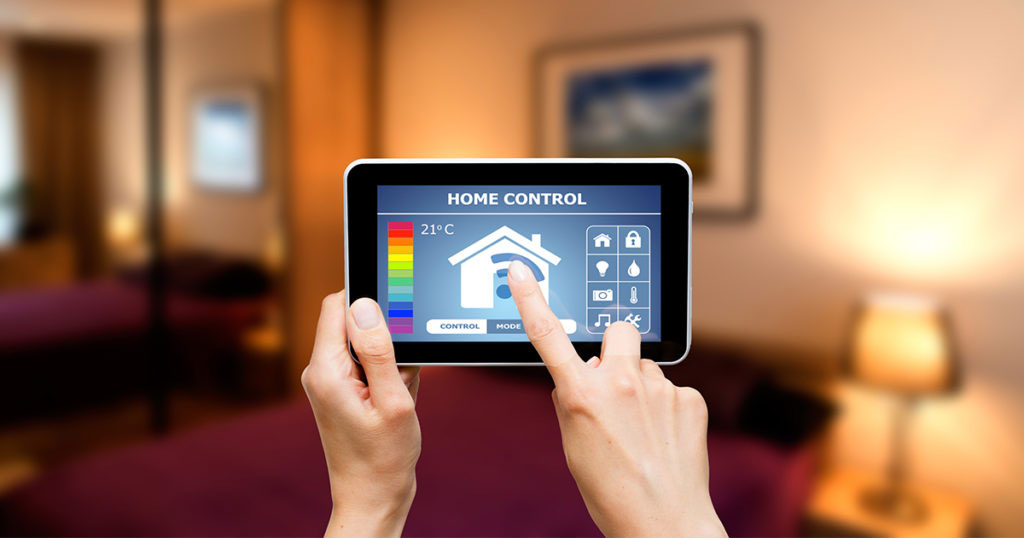
Many modern smart homes integrate controls with home appliances. Washing machines, refrigerators, and coffee machines can now automatically adjust to the residents’ schedules. For example, a refrigerator can remind you of food that’s about to spoil or automatically order the necessary items.
Energy Efficiency
AI systems predict when no one is home and turn off lights and appliances. They monitor temperature and weather conditions, preemptively heating or cooling the room at optimal times. This approach saves not only money but also the planet’s resources, reducing the carbon footprint.
Smart Home and Behavior Prediction Prospects
Further development of predictive models is expected in the coming years, including the use of next-generation neural networks that can account for emotional patterns, voice intonation, and even residents’ health status. Many companies are currently testing AI assistants that will integrate with smart home systems, providing recommendations for comfort, safety, and leisure.
For example, a system could suggest playing relaxing music after a long day at work based on biometric data, or pre-adjust the shower temperature to the resident’s preferences. The main goal of future systems is to make the technology invisible, anticipating user actions while remaining completely under their control. The user should remain the primary decision-maker, with AI simply helping them implement them as efficiently as possible.
Conclusion
Predicting user behavior is a key area of Smart Home development. Today, this means energy savings and comfortable scenarios; tomorrow, it means full personalization and integration with entertainment and work platforms, including the online entertainment industry. Intelligent algorithms allow not only home control but also predict human behavior, making interaction with technology almost seamless and as convenient as possible. We are now seeing Smart Home evolve from the category of “gadgets” into a fully-fledged system, shaping the future of home comfort and an integrated lifestyle.